a repost: Study: Junk Food Companies Disproportionately Target African-American Children

Article posted on Atlanta Blackstar (click link for original)

A new report examining TV food advertising viewed by preschoolers, children and teens found that African-American youths are disproportionately exposed to junk food ads, viewing almost 50 percent more ads for unhealthy snacks than their white counterparts.

The study, conducted by the Rudd Center for Food Policy & Obesity, attributed the concerning disparities to increased television watching time among Black children. But that fact by itself still didn’t explain why Black children were seeing ads for fast food and other unhealthy food options at much higher rates.

According to the report, junk food companies have increasingly advertised on networks with particularly high African-American and adolescent viewerships such as Fuse, BET, Vh1 and Nick-at-Nite. Jumps in food-ads-per-hour also contributed to increased exposure to junk food ads for youths of all ages between 2008 and 2012.

“Higher rates of food advertising on youth-targeted networks explained greater adolescent exposure,” the study read. “However, greater television viewing and higher rates of advertising on youth- and black-targeted networks both contributed to black youths’ greater exposure.”

In 2012, the report found that Black youths viewed considerably more food ads compared with white youths of the same age. For instance, Black children aged 2 to 5 viewed 64 percent more food ads, while Black youths aged 6 to 11 saw 49 percent more ads than their white counterparts. Moreover, the younger African-American children viewed approximately two more junk-food ads per day than even the older white kids.

Researchers noted that this increased exposure to low-nutrition food ads also made Black children more vulnerable to becoming obese and developing other diet-related health issues. Data from 2011 to 2012 revealed a stark gap in child obesity rates between Black and white youths: Eleven percent of Black children aged 2 to 5 were obese during this time, while just 3.5 percent of white children were. The disparity got larger as the kids grew older, with 23.8 percent of African-American children aged 6 to 11 being obese compared to 13.1 percent of their white peers.

The report pointed to a greater number of billboards advertising unhealthy food options in predominately Black neighborhoods as another possible culprit behind these concerning health figures.

“Understanding the relative contribution of factors leading to greater TV [and billboard] food advertising exposure for adolescents and Black youths is necessary to identify effective solutions to counter its harmful effects,” the study read. “Understanding the reasons for their greater TV viewing and identifying opportunities to reduce viewing would help address [these] health disparities affecting Black youths.”

Frances Fleming-Milici, a marketing researcher and the lead author of the Rudd study, said it’s no coincidence that junk-food companies have increasingly advertised on Black-targeted networks but admitted that it is sometimes difficult to determine the intentions of the food companies the Rudd Center challenges.

“[Rudd] uses the same data that companies use to place their ads,” Fleming-Milici told The Washington Post. “Ads are placed to reach a certain demographic.”

a repost: Homeless Activists Go Organic, Feed an Entire Shelter with Rooftop Garden


Very Inspiring.

Article posted on Waking Times (click link for original)


Steven Maxwell, Contributor
Waking Times

Every activist has read the increasing number of stories where homelessness is being criminalized, as if simply being homeless isn’t punishment enough. However, there is a rising tide among all walks of life that is beginning to view homelessness in a very different light.

As a sinking economy and the criminal actions of the banking elite are leading many middle class, stable families into abject poverty, it is becoming much easier to identify with the less fortunate the closer their plight appears to be.  Defenders of the homeless are becoming much more vocal now. We have seen some amazing examples recently of people moved to help those in need through programs such as an artist who paints and sells portraits of the homeless and gives them the profits; a former homeless man who gives back to the homeless by selling book reviews and buying food to share; or the inspiring story of a community organizer who used his own faith to connect with those from other faiths in a common cause of feeding those in need.

We are even seeing people of conscience openly defying oppressive laws to draw a line in the sand that says: if it becomes illegal to help one another on our own terms, we simply have no freedom left to celebrate.

Feeding the homeless has also gone from the concept of a “handout” of money to allow people to buy whatever meager sustenance they can find, to realizing that if people are going to have any chance of turning their financial situation around, they must be physically and mentally fit to do so. A key  cornerstone to building oneself back up again is nutrition … and if it’s “free” nutrition, then all the better!

An organization in Atlanta is calling themselves Task Force For the Homeless and should be highlighted for their message and their tactics to restore dignity and prosperity to those who have fallen on hard times. They have chosen to combine two essential approaches to reverse the conditions which afflict the homeless the most: not having access to healthy food, and not being able to connect with others who are working in structured way to engage in practical solutions.

Enter the organic community rooftop garden.

Residents of the homeless shelter are now engaged in community building while providing for themselves food that only costs what their own efforts naturally produce.

Instead of processed foods given through donation, their rooftop garden has 80 beds of the most diverse range of vegetables, fruits and herbs that can be produced on site.

Now, instead of waiting for their next meal, they have taken action to ensure that each and every day they are well fed and well nourished.

Best of all, this group of homeless has now gained something that goes beyond even the food itself – the skills required to produce, manage, distribute and plan for the future – a future which too often exists as minute-by-minute sacrifice instead of days of abundance.

Steven Maxwell writes for ActivistPost.com. This article may be shared in its entirety with author attribution and source link.

a repost: Gucci Mane 2016 was something to remember


Article posted on ThyBlackMan.com (click link for original)

I’m not a big rap fan nor do I even keep with the current state of the genre (or ANY genre for that matter in this day in age), but I found this very inspiring. I was impressed not with the change Gucci Mane made detailed by the article, but also the change the writer made himself. I can relate 1000 times over! It’s good to see others like myself, and maybe some you reading this, have struggles that mirror my very own and overcome them with huge success. 

Makes me tear up a little…


123gucci-mane-2016


In 2015, I was a 23 year old workaholic who was 274-78 pounds and quite unhealthy. I ate out at least four times a week and didn’t get any sleep because of anxiety issues. I relied on food as a coping mechanism to deal with the rigors of working 11 hours a day. While of course it tasted good, I didn’t realized the effect it was having on my body mentally and physically. A trip to the doctor on June 13th 2015 changed me, as I realized I was unhealthy and unfit. I went on a rampage that summer, working out every single day while eliminating processed foods every day but Saturday. 20 pounds slowly turned into 30, 30 into 50 and 50 into where I sit today, 211 pounds with 60 plus pounds lost altogether. I changed my life physically, which altered my dynamics mentally. Looking back, I would do it all again if I could see how I’ve impacted the lives of others.

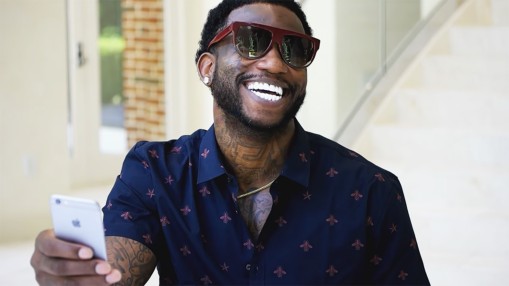
Which is why Gucci Mane’s weight loss, a number one record in Black Beatles with rap duo Rae Sremmurd and abandonment of drug and alcohol use is a testament of how far he’s come in rehabbing his body and his mind. There was a time Gucci Mane posed as a 280 pound behemoth; frightening, scary, diluted and drugged out. He had classic records and the pop culture vultures who roam websites such as Complex, Noisey and Pitchfork were fascinated by him.

But inside, he was a wreck; relying on drugs and alcohol to stimulate his mind and spirit for 17 years. He readily admitted he was a drug addict, marijuana, alcohol, ecstasy, prescription pills and cough syrup were his drugs of a choice. It made him numb, non existent. Rap’s boogieman made a fortune not being true to himself. The drugs and his erratic behavior landed him in prison for his longest stint; two-and-a-half years starting in 2013.

Gucci Mane used prison to rehab his mind and body. The withdrawals from drugs hurt him at first, but soon, his mind would get stronger. He worked out, read and prayed, shedding the weight and getting rid of the belligerent rapper tag that preceded him previously. When he was released in May of this year, his drastically different appearance made fans question whether or not Gucci was cloned. What comes off as a insult, was taken as a testimony of the power of self-help, therapeutic resources by Gucci Mane.

The moral of this article, is that we all have the power to change ourselves if we really wanted to. It’s easy to stay in a comfort zone where our reality is filled with feel-good, easy and no challenges. It’s hard to look yourself in the mirror and say you need to change. With change comes with being uncomfortable and being uncomfortable brings over-thinking and self-doubt. But once you break through those self-imposed walls, the road to change begins. Gucci Mane could have been the rapper we loved when he was released in May; an overweight druggie whose erratic behavior was a byproduct of his addictions.

He could have still been the rapper whose insecurities were clouded by his tough-man act. Instead, he decided to change and reinforce a new identity. One who works out, eats healthy, reads and speaks English so fluent he sounds Harvard-educated. He decided he was going to change his mind to change his life. And if you’re struggling with addictions and vices you feel you can’t break, remember that Gucci Mane did it. So you can, too.

Music Editor; Brad Washington

a repost: Svalbard – How the Elite Plan to Survive an Engineered Extinction Event

Article originally posted on Waking Times (click link for original post)


Nathaniel Mauka, Staff Writer

The Svalbard seed bank, set like a concrete monolith in the minus 4 degree Celsius permafrost of a mountain on a remote island in the Svalbard archipelago between mainland Norway and the North Pole, shouldn’t determine the fate of our agricultural future. Though the remote bank has collected 860,000 seed samples from around the world, with the latest withdrawal being made from war-torn Syria, what are the true intentions behind a bank said to, “preserve as much of the world’s crop diversity as possible,” while seed supplies around the world are being monopolized by a few corporations, and indigenous, thousand-year old seeds are being wiped out by genetically modified versions?

Svalbard’s investors, including the Bill and Melinda Gates Foundation, the Rockefeller Foundation, Monsanto, Syngenta, and other biotech interests tout this ‘seed saving’ monolith while simultaneously ravaging seed diversity, along with state laws throughout the US, and elsewhere on the globe, that prevent small farmers and gardeners from saving and sharing seed.

Endangered Seed

Currently, there are at least 100,000 global plant varieties endangered in the world. Extreme weather events, over-exploitation of ecosystems, habitat loss, and the cross-pollination of seed by genetically altered, terminator seed, contribute to the problem.

You could look at seed saving and seed sharing like open-source education. If you really want to democratize the flow of knowledge and information, you make it free, and offer it online, as many Universities now do. No one institution holds the entire knowledge on mathematics, art, literature, spirituality, or any other subject. Just as in nature, we require diversity of thought so that we don’t become automotons repeating a single, well-crafted agenda created by a handful of people.

Many farmers groups, non-profits, and governments are attempting to conserve seed diversity in their own communities, with more than 1,000 known seed banks, collaboratives, and exchanges around the world, but this time-honored tradition of seed saving is butting up against some very serious obstacles, which I’ll name in a moment.

Moreover, while the Svalbard seed bank seems to pass an initial sniff test, a little deeper digging can reveal other questions that many should be asking about such an expensive adventure in ‘protecting agriculture.’

Cary Fowler, senior adviser to the Global Crop Diversity Trust and the Svalbard seed bank, states,

“SSE’s seed bank and the Seed Vault are similar in many ways. Both primarily func­tion as an insurance policy for other forms of conservation. In the case of SSE, that would be varieties grown yearly by gardeners. With the Seed Vault, its seed samples held by seed banks, such as the Dutch, Philippine, or Kenyan national facilities, or SSE. The Seed Vault, however, was physically built to last as long as anything on earth. Its location is obviously remote, which adds to its security. Svalbard is under Norwegian sovereignty, which reassures many, and it was no small matter that Norway offered to pay the entire cost of construction.”

Fowler also argues that the age-old habit of seed sharing by farmers and gardeners poses too great a risk for Svalbard not to to exist, but while he dismisses ‘conspiracy theories’ around Svalbard’s true purpose, he has yet to address that those theories are not the rhetoric of ‘rabid dogs’ as he suggests. Many US states have made it illegal for gardeners and seed libraries to share seeds without a permit.

The Criminalization of Seed Sharing

Even more alarming is the European Union’s recent move to ban all heirloom seed and criminalize the planting of seeds not registered with the government. The European Commission,

“. . .regulates the marketing of plant reproductive material of agricultural, vegetable, forest, fruit and ornamental species and vines, ensuring that EU criteria for health and quality are met. EU legislation applies to genera and species important for the internal market and is based on:

Registration of varieties or material;

Certification or inspection of lots of seed and plant propagating material before marketing.”

Many are concerned that the EU Commission will not enhance agriculture with the Plant Reproductive Material Law, but give more control to the handful of agriculture corporations which are already monopolizing the world’s seed. The draft text of the law reads such that the act of passing seed from one generation to the next would be a criminal act.

Another example of the laws which prohibit the free and unencumbered sharing of seed includes the state of Minnesota’s seed law. It is broad enough that it essentially prohibits gardeners from sharing or giving away seeds unless they buy an annual permit, have the germination of each seed lot tested, and attach a detailed label to each seed packet. This would obviously be a time-sucking, financially draining practice for most gardeners and small farmers, yet the Minnesota Department of Agriculture recently told seed libraries that they can’t distribute free seeds to gardeners unless they buy a permit and provide detailed labeling, even though the libraries aren’t selling the seeds, and only sharing them freely. The penalty for violating this law is a fine of up to $7,500 per day.

This is an example of just one law in a single state, but laws like these can be found in around 30 percent of states in the US.

Who Owns the World’s Seed?

This is even more alarming considering that just ten corporations now control 70-90 percent of all the seeds cultivated on this planet. These are:

  1. Monsanto – 27% of market share
  2. DuPont  -17% of market share
  3. Syngenta – 9% of market share
  4. Groupe Limagrain
  5. Land O’ Lakes/Winfield Solutions
  6. KWS AG
  7. Bayer CropScience
  8. Dow AgroSciences
  9. Sakata
  10. DLF-Trifolium A/S

As Mother Earth News suggests, rather than imposing laws that uproot the age-old practice of seed sharing, governments, should be nurturing the free exchange of locally adapted seeds. But then, this would put the power back in the hands of people, small groups, and widely varied indigenous agricultural knowledge, not a few power-hungry, seed monopolizing entities known for destroying the very lands they claim to want to protect, and fomenting wars within the ISIS-cabal matrix.

Additional comments by seed saver Cary Fowler hint at the small farm disadvantage that these seed monopolies have created:

Keep in mind that many of the sam­ples held in Svalbard are of variet­ies no longer grown by farmers. In situ, or on-farm, conservation is not a realistic conservation option for these. Moreover, as we know, that form of conser­vation has its own set of risks. So, it is vitally important that all our different conservation efforts, whether in the garden or in the seed bank, be supplemented by a facility such as the Seed Vault.

The cost of conserving crop diversity is remarkably low relative to the massive benefits it brings. After all, we’re talking about the foundation of our food.”  (Source)

Imagine for a moment what would happen to the global seed supply if Syria were the rule, instead of the exception. As National Geographic attests.

Problem-Solution Tactics

“Thanks to Syria’s civil war, the region’s primary seed vault in Aleppo has been forced to operate in a limited fashion, amid fighting that has left several hundred thousand dead and forced an estimated 11 million to become refugees. As ISIS controls part of Syria and refugees stream across Europe, destruction of antiquities and infrastructure continues.”

As smaller seed sharing communities are wiped out by organized war, weaponized weather, electromagnetic abnormalities caused by geoengineering and other programs, and false flag events of every kind, more people would be forced to turn to the current seed monopolizing governments and corporations holding out in their permafrost fortress in Svlabard. If you want to live – and eat – after WWIII, you’d have no choice but to be under the total control of these few entities.

The Plausible Deniability of Genetic Diversity

Carey Fowler swears that Svalbard was built to promote genetic diversity, not uniformity, but that claim hardly stands up to scrutiny when you look at what its investors have already done to damage natural genetic diversity in the world’s crops.

For example, La Via Campesina, a farmers’ movement of 150 organizations from 70 countries, has grave concerns about protecting biodiversity. In its statement to those gathered in Bali for the United Nations treaty on plant genetics, the organization urged treaty drafters to reevaluate the legal framework that allows seed patenting and the spread of genetically engineered crops, like those that Monsanto, Syngenta, and Dow cultivate. All three of these companies were investors either directly or indirectly in Svalbard.

Additionally, most of the crops that were ‘developed’ in the last 40 years were to facilitate a mechanical harvest and easy shipping, meaning varieties of tomatoes and other fruits have been developed that were harder and tougher — often at the expense of other qualities, such as taste. This same process has occurred with numerous crops. The biotech industry isn’t protecting seed diversity, they are enhancing the mechanized, post-industrial vision of cheap, tasteless, nutritionless food, but Svalbard could point to something even more sinister than this. It is called the ‘doomsday seed vault’ for a reason.

Extinction Events

Carey Fowler suggests that the Svalbard Seed Bank has ‘put an end to the extinction of crop diversity,’ when asked if the seed vault is thus far a success, but also admits there will always be seed diversity that is not contained within the bank.

To give a specific incidence of Svalbard’s financiers handy-work,

Corn has been carefully tended in Mexico for eight millennia and environmental conservationists report that thousands of peasant varieties are still grown throughout the country. With an estimated 75 per cent of the planet’s biodiversity vanished as of 1995, Mexico’s heterogeneous corn fields are a rare vestige of the age prior to the “Green Revolution” era that is responsible for the artificially and unhealthily homogenous industrial agriculture that is prevalent now.”

This is just one type of crop in one country. Monsanto almost single-handedly wiped out eight thousand years of genetic diversity developed by Mother Nature with a handful of their genetically modified corn varieties.

Additional supporters of Svalbard, Bill Gates and the Rockefellers are known population control artists who have altered our environment in a number of drastic ways to “maintain humanity under 500,000,000 in perpetual balance with nature,” as stated plainly on the Georgia Guidestones. Svalbard is the grisly fall-out plan B, for a multi-point roll out of death technology meant to cull the masses. It isn’t meant to save us, or our seed. We are nothing more than guinea pigs for their biological/medical experiments.

This is a form of genocide, meant to protect only the elite few who believe they have a special duty to develop a transhumanist society. What better way to control the handful of humans left on the planet after complete annihilation than to utterly control their food?

Welcome to the New World Order. Svalbard is only one ‘doomsday’ vault in a multi-faceted plan to create doom overall. Protect your seed. Don’t give governments or corporations (who control our governments) the right to take your seed sovereignty. This is your right to life.


Nathaniel Mauka is a researcher of the dark side of government and exopolitics, and a staff writer for Waking Times.


What KILLS Melanin Production Part 2: The Melanin-Rich Skin

beautifulblackwoman264

From the Melanated Man:

I noticed that the first part of this series has received a lot of views. It’s a topic that’s gaining interest. No one has necessarily commented or left any feedback, but that’ OK. At least people are out there searching for the truth. I’m more concerned about that. I just want to do my part. They see the information, now it’s up them to make the changes and spread the word themselves.

We have the share the knowledge!

But anyway, when it comes to what harms our gift of melanin, the first thing that comes to mind is what are we putting in our mouths. We tend to forget the most overlooked organ of our body, which is actually the largest organ of our body: the skin.

That melanin-rich we all take so much pride in. We can’t forget to take care of that.

Our skin breathes and eats as well!

We have to take care of our entire bodies, inside and outside. We never think about the types of skin products we to moisturize our skin, to give it a smell good. The majority of us Melanin-Dominant individuals places so much interest in those things, the vanity of it all, not thinking about the harmful chemicals those products contain. I have many memories of drenching myself in cologne, rubbing myself down in some cocoa, getting ready for a hold date. I didn’t even think about the consequences of my actions towards by skin. If I knew what I know now I would have not dare covered myself with poison.

Because that’s what it is at the end of the day.

As mentioned before regarding the foods we buy, if you cannot pronounce the ingredients on the skin products, if they have more than 5 ingredients on the list, and/or they are created by giant corporations (such as Johnson & Johnson), STAY AWAY FROM THEM!

At some point I’ll come up with a list of approved products and post it in the future.

Below is a list of  ingredients taken from a pretty good source, The Melanin Diet by Deanne E. Meningall, that you will more than likely find in you skin care products. This book is a hard book to come across, partly because it is not in publication and people are jacking up the prices.

AND, it’s the perfect book for those who are novices coming across this knowledge.

The perfect layman’s type of book.

Luckily, I was able to get it at reasonable price. It’s a great, simple read.


Skin care ingredients list, per The Melanin Diet by Deanne E. Meningall

*Note: This is only a comprehensive list of ingredients. There are much, much more!

1. “Humectants”- Are used in cosmetics. They are really an industrial strength anti-freeze, which is a major ingredient commonly found in brake and hydraulic fluid. All ingredients can be considered to be a strong irritant

a. Glycerin- Is a type of humectant. It is made chemically by combining water and fat. Glycerin is a filler. It is used to prevent creams and lotions from losing water through eveaporation. Try this; leave the cap off and notice what happens. Nothing. It can cause the skin to become drier because it has a tendency to draw water of the skin unless the humidity of the air is above 65 percent.

b. Propylene glycol- Is another type of humectant. It is less expensive when compared to glycerin, although many more sensitive reactions are common. Propylene glycol also causes acne eruptions.

2. Mineral oil-Is derived from crude oil, used in industry as metal cutting fluid. It will suffocate melanin-rich skin by causing an oil film. This oil film will prevent the skin from taking in oxygen and releasing carbon dioxide. Artificially holding large amounts of moisture in the skin can “flood” the body. This may result in dry, immature, unhealthy and sensitive skin. This is a recipe for fast-aging skin in spite of the presence of melanin.

a. Petrolatum & petroleum- Are products that have the same properties as mineral oil. they are considered to be unhealthy greases.

3. Sodium lauryl sulfate- Must be considered the most harmful ingredient in personal care products. SLS is used as a testing marker to compare the healing properties of other ingredients. Industrial uses include; garage floor cleaners, engine degreasers and car wash soaps.

In personal care products, the danger in using SLS is great. Large amounts of this potentially carcinogenic material may have nitrites and dioxins to form in the bottle of the shampoos and cleansers. This happens when the SLS reacts with commonly used ingredients found in many products. These nitrites may enter the bloodstream after one shampooing. This ingredient is directly or indirectly responsible for dis-ease in the body.

4. Sodium fluoride-Simply stated, is a rat poison! Make sure this is not in your toothpaste.

5. Alcohol in mouthwash-Contains a higher alcohol content that beer, wine, and may types of liquor. Mouthwash with an alcohol content of 25% or higher has been implicated in causing mouth, tongue and throat cancers. Alcohol acts as a solvent in the mouth, making tissues more vulnerable to carcinogens.

6.Titanium Dioxide – Was declared carcinogen as of 2001.

7. Collagen and elastin- Are commonly used, and are derived from animal skins and ground up chicken feet. These ingredients form films over the skin that may suffocate and over-moisturize the skin. Due to their high molecular weight (based on the size of the molecule), they cannot penetrate the skin; therefore they are of little benefit. When the skin cannot breathe, toxins are trapped and therefore keep oxygen out. Elastin is not completely absorbed by the epidermis. Furthermore, in a cosmetic product, elastin cannot restore tone to the skin.

8. Hypoallergenic-is a term that means “less than”, therefore the consumer is led to believe that the product has fewer allergens when compared to other products. since there are no federal guidelines or regulations defining allergens, the term “hypoallergenic” has little if any true meaning.

9. Lanolin- Is “wool fat” or grease chemically akin to wax. The consumer has been told that it is able to penetrate the skin better than other oils. There is no scientific proof to support this claim. In fact, lanolin has been found to be a common skin irritant that will cause allergic contact skin rashes. Lanolin usually contains pesticides and dioxins, also known as carcinogens.

10. Biotin- Is also known as vitamin H. It has been associated with greasy scalps and baldness in rats and other experimental animals. Deficiency in biotin is uncommon. It is extremely rare. Biotin is a useless additive in cosmetic products because its molecular size is too large to penetrate the skin.

11. Kaolin-Is considered natural clay. It is, in fact, quite drying and dehydrating to the skin. Contamination with impurities is also likely. Once again, it will suffocate the skin by blocking out the oxygen needed.


Pretty interesting, huh?


Remember to watch what you place on your skin. Eating through our mouths is not the only way we are being comprised by the-powers-that-be.

Stay conscious, fam!


Peace and Love to my melanated family,

The Melanated Man

A Shout Out! Get to know “Sevananda”

sevananda

From the Melanated Man:

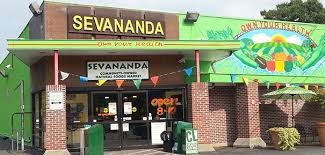
This is my favorite store in the world! Well, maybe Atlanta. The unique Sevananda Natural Foods Market.

“Seva” means selfless

“-ananda” means bliss and joy

Website: http://www.sevananda.coop/

467 Moreland Avenue NE

Atlanta, Ga 30307

It is a natural foods store in the Little Five Points district that has been around since 1974!!!  They sell vegan and vegetarian local foods, organic foods, non-GMO foods, and a heap of herbs, grains, supplements, incense, candles, etc.

I wonder if they have always been that kind of store or if it was a progression…

For them to be around this long I am surprised it’s still not as well known as it should be. I guess since the general consciousness of the population regarding food has been raised over the last 10 maybe 15 years I think the popularity has risen considerably in that time frame. I have never experienced a natural foods store like. Part of the reason is that the store has a very Afrocentric, conscious vibe to it, and most of the staff is melanin-dominant, and friend as well! I love that fact! The store is also co-op. So you can become a member-owner if you choose to, like myself.

You get six shares, $20 a share, which you can pay yearly, all at once, or a couple of shares at a time when you start. As a member-owner you can voice your opinions,be on a Board Committee,  vote the Board of Directors who are in charge of the governance of the store, or be a candidate for one of the Board of Director’ position yourself. As a member-owner, you have an opportunity to attend educational ans health classes hosted by Sevananda. Annnndddd there is a 10% monthly discount for member-owners, an additional 5% discount for those who are 65 and older each time you shop there!

Everyone who I have met that is owner-member and/or involved with Sevananda seem like they really care for  its welfare. That’s something that is uncommon in this corporate wasteland. I looked at the amount food co-ops in general there were listed and their were no more than maybe 25 co-ops in the country alone! That’s truly a shame. There may be more that’s not officially recorded, but it does not help if people don’t know they exist.

This may be a more common avenue to take for when more  people start to wake up and  change  their eating habits. Melanin-dominant people, we need to embrace the co-op format in our own communities. There are a very  few pockets of us who have community gardens and that’s good, but it needs to be more commonplace. This type of format could spill into other areas of commerce for us, where we can start to build those self-sustaining communities that we’ve been clamoring for, that at one point we did have. Bring our talented brothers and sisters back from European suburbia to serve their people.

Anyway…I just wanted to give a shout out to Sevananda. If you’re ever in the area stop by and check it out.

Peace and love to my melanated family,

The Melanated Man

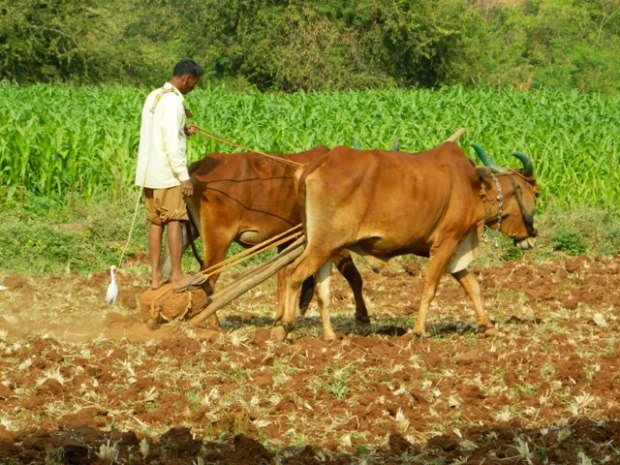
ED vs. EL: Agriculture has domesticated the common man


traditional_farming_methods_and_equipments


From the Melanated Man:


I got a dandy one for you today.


Domesticate (verb)to convert (animals, plants, etc.) to domestic uses (under a household, dome), tame (an animal) and keep it as a pet or for farm produce, cultivate (a plant) for food.

wild (adj.)– (of an animal or plant) living or growing in the natural environment; not domesticated or cultivated.

(noun)-a natural state or uncultivated or uninhabited region.


Excerpt from Evolution, consequences and future of plant and animal domestication

The question “why farm?” strikes most of us modern humans as silly. Of course it is better to grow wheat and cows than to forage for roots and snails. But in reality, that perspective is flawed by hindsight. Food production could not possibly have arisen through a conscious decision, because the world’s first farmers had around them no model of farming to observe, hence they could not have known that there was a goal of domestication to strive for, and could not have guessed the consequences that domestication would bring for them. If they had actually foreseen the consequences, they would surely have outlawed the first steps towards domestication, because the archaeological and ethnographic record throughout the world shows that the transition from hunting and gathering to farming eventually resulted in more work, lower adult stature, worse nutritional condition and heavier disease burdens10, 11. The only peoples who could make a conscious choice about becoming farmers were hunter–gatherers living adjacent to the first farming communities, and they generally disliked what they saw and rejected farming, for the good reasons just mentioned and others.

Instead, the origins of domestication involved unforeseen consequences of two sets of changes — changes in plants and animals, and changes in human behaviour. As initially recognized by Darwin12, and elaborated by Rindos13, many of the differences between domestic plants and their wild ancestors evolved as consequences of wild plants being selected, gathered and brought back to camp by hunter–gatherers, while the roots of animal domestication included the ubiquitous tendency of all peoples to try to tame or manage wild animals (including such unlikely candidates as ospreys, hyenas and grizzly bears). Although humans had been manipulating wild plants and animals for a long time, hunter–gatherer behaviour began to change at the end of the Pleistocene because of increasingly unpredictable climate, decreases in big-game species that were hunters’ first-choice prey, and increasing human occupation of available habitats14, 15.

I remember learning about man’s transition from hunter-gatherer to agriculture. What was never talked about was how and why that transition took place. No one never talks about what food actually does to you on a metaphysical level, the cellular level, the level you can’t see with your naked eye. So far I have talked about the benefits of eating fresh  fruits and vegetables, removing  animal flesh and white salt and sugar from diet, admonishing everything that is artificial. What if the fresh foods we partake are effecting us consciously and subconsciously without even realizing?

As I mentioned before, the natural foods that we eat should contain light/life. Slightly cooked or steamed, preferably eaten raw. In essence, our bodies are condensed light, and light partakes of light. Sounds simple. But that light can be altered. It can be manipulated. When you take a species from its natural habitat, from an uninhabited Mother Nature, you began to change its genetic makeup. We know that it’s true with domesticated animals such as dogs, cats, guinea pigs, fish in a aquarium, etc. The same can be applied to wild animals in the zoo, and man-made wild safaris. They are more docile, tamed. They’re lifespans decrease as well. Whose to say the same can’t be said for the , fruits and vegetables that we eat?

Like I said, those plants have life.

Before agriculture took place, those plants/vegetation were wild as well.  They were in their natural state. But in this day and age, you’d be hard pressed to find any plants/vegetation we consume as such. And as I’ve touched on in previous posts, consuming domestic food ultimately creates a domesticated man.  Even if you have your own garden, growing you own food, you’re not getting the full benefit of your crops because of what you have to do to cultivate it.

So how are melanin-dominant individuals (Blacks for the uninitiated) suppose to liberate themselves when the consumption is tamed? From the food (which makes us look like fools) to the entertainment?

“But we have to eat, stupid!  Without agriculture, we couldn’t supply the world population!”

Well some of you are already hip to the esoteric fact that our melanin-dominant ancestors, well over 50,000 years ago when they were actually dominant on this planet, were able sustain themselves with little to no food consumption.What they is true…only the strong will survive. 

And…

There is  evidence that shows a correlation in the time period, between 10,000-12,000 years ago when man began to adhere to a agricultural lifestyle, brain size began to shrink in relation to our ancient ancestors who ate untamed food.

“Brain size doesn’t mean squat. I’m pretty sure that we’re still smarter than our ancient ancestors with all our current technology.”

Not quite. Our melanin-dominant ancestors had practically none of the technological gadgets that resemble anything from today, yet they were intelligent enough to create  calculus and physics, astrology and astronomy, cosmology and cosmogony, medicine, etc. They created the foundation of all this so-called modern technology that just popped out of nowhere over the last 80-90 years.

You can’t do all of that on a mind that is domesticated and trained. 

So for the last 400-500 years have our people been actually fighting for true liberation? In every facet imaginable, physically and spiritually? 

Or are we fighting for acceptance in this game called “The Matrix”,which is an illusion?

Orrrr…..do we even know what we actually need to fight for? Do we understand our true history?

According Chancellor Williams in The Destruction of Black Civilization, he dates the decline of melanin-dominant people rule on this earth around the same time agriculture comes on the scene. Is that a coincidence?

The question that I need answering is  did our melanin-dominant ancestors inadvertently create their own demise with agriculture, or was this concoction introduced by a group of melanin-recessive individuals (Caucasians, Europeans for the uninitiated) who have the least spiritual connection to this planet?

My logic wants to go with the latter, but I’m still researching. It wouldn’t bother me one bit if it was the former, or a little bit of both.

I only seek the truth, even if it hurts like hell.

(to be continued)

Peace and Love to my melanated family,

The Melanated Man

a repost: Bayer agrees to buy Monsanto in $66 billion deal that could reshape agriculture

So the “aspirin” company is buying the “GMO” corporation?  The pharmaceutical company that creates poison to heal the body is joining forces with the agricultural corporation that is famous for creating “Franken” food (check this post out), artificial crops that are UNNATURAL to the body?

Isn’t this a conflict of interest?

Boy we are leaving the literal manifestation of HELL!

Wake up people!


Article posted on The Washington Post (click link for original article)

Seed and chemical giants Bayer and Monsanto said Wednesday that they will merge to become one of the world’s biggest agriculture giants, a $66 billion mega-deal that could reshape the future of farming and enhance their influence over the planet’s food supply.

Bayer, the German firm better known for pharmaceuticals such as Aleve and Alka-Seltzer, said it will spearhead the largest all-cash buyout in history in hopes of taking over St. Louis-based Monsanto, the world’s largest supplier of genetically modified seeds.

The merger marks one of the most prominent signs yet of the broadening acceptance of genetically modified foods, a bogeyman for environmental activists that has nevertheless redefined the capabilities for crops in the United States and worldwide.

The deal would also further strengthen the companies’ grips on vital seeds, pesticides and farm technologies, a concerning turn that critics said could raise prices, reduce choice and stifle innovations needed to feed a growing world.

“These companies make the case that they need to get bigger to help them respond to climate change, changing diets, growing populations . . . but so much of their research focuses on the big commodity crops that make the most money,” said Pat Mooney, executive director of the ETC Group, a Canada-based environmental advocacy group.
Bayer buys Monsanto for $66 billion
Embed Share
Play Video1:25
The German drug and chemicals company is paying a hefty premium for the American seeds maker. The deal will likely face close regulatory scrutiny. (Reuters)

“They’re just so narrowly focused,” Mooney said, “that there’s a general feeling they can’t get us to the innovations we need.”

The deal is likely to draw intense scrutiny from antitrust regulators, who will assess whether the merger would unfairly lead to higher prices and fewer choices for farmers’ most important building blocks. The new company would preside over roughly one-quarter of the world’s seed and pesticide supplies.

Justice Department investigators have in recent years launched investigations into “possible anticompetitive practices” in the Monsanto-led U.S. seed industry, although a formal investigation was closed in 2012 without pursuing charges.

Regulatory crackdowns have dashed several high-profile mega-mergers this year, including a $160 billion deal between pharmaceutical giants Pfizer and Allergan.

The Bayer deal — the largest corporate mega-merger in a year full of them — is also likely to meet congressional resistance. Calling the merger “a threat to all Americans,” Sen. Bernie Sanders (I-Vt.) on Wednesday urged regulators to block the deal and reopen an investigation into Monsanto’s massive influence over the seed and chemical markets.
Content from EPIX NetworkWhat’s your Spy-Q?
Step into the shoes of a spy tasked with uncovering the source of a government data leak.

“These mergers boost the profits of huge corporations and leave Americans paying even higher prices,” Sanders said in a statement.

Genetically modified seeds dominate U.S. farming and are used in the growing of more than 90 percent of corn, cotton and soybean crops. But their use remains a major driver of environmental protests in Europe and has led to political action at home. In July, President Obama signed into law a bill requiring food companies to label products that include genetically modified organisms, or GMOs.

With its rapid development and fierce protection of genetically engineered seeds and pesticides, Monsanto has been made into an arch-villain for some environmental and consumer activists, who worry that the chemical underpinnings of “Frankenseeds” threaten human health and allow laboratories to play God.

The advanced seeds have also provided for a range of benefits, including stronger pest resistance, streamlined weed control and more efficient harvests around the world.

Years of research have revealed no proof that genetically engineered crops pose risks to human health. A National Academies of Sciences expert panel concluded in May that there was “no substantiated evidence” that the crops had endangered our bodies or hurt the globe.

“Asking whether GMOs are safe is like asking whether toys are safe,” said Rick Amasino, a University of Wisconsin professor of biochemistry who participated in the report. “Most people would recognize that as too broad a question. You can’t lump all chemicals into one bin.”

“Farmers don’t have to use these things. They have a choice,” Amasino added. “Industry is giving farmers something that, I suspect, farmers want.”

Dana Perls, a senior campaigner on food and technology with Friends of the Earth, said agricultural juggernauts such as Monsanto have crafted institutional blocks that prevent small farmers from freely choosing how to grow their crops.

“This further consolidation over our food system removes even more power from people to control their agriculture, and to choose what we can and can’t consume,” Perls said. The deal, she added, would “make it even more difficult to make sure that what comes onto the market is safe for people and the environment.”

The deal would be the largest German takeover yet of an American firm. Known in the United States largely for its health-care products, Bayer would emerge from the deal further focused on its business in agriculture chemicals, crop supplies, and compounds that kill bugs and weeds.

Bayer first made a $62 billion offer for Monsanto in May and has increased its bid over months of negotiations. The all-cash deal is valued at about $128 a share and is larger than the previous record, the $60 billion merger between brewers Anheuser-Busch and InBev in 2008.

Sales in 2015 at Bayer, which has 117,000 employees, totaled roughly $51 billion, about 30 percent of which came from its crop division. Sales at Monsanto, which employs 20,000 and also develops such products as the weed-killing herbicide Roundup, totaled $15 billion last year.

The companies portrayed the merger as a landmark agreement that would help them invest more in researching and developing chemicals for the global harvesting of vegetables, corn and other crops. The deal, they added, would also help them save $1.5 billion through cost-cutting, added purchasing power and other “synergies” within three years.

“The whole agricultural industry around the world is basically going through a transformation. It’s the last big industry in the world to be digitized,” said Robb Fraley, Monsanto’s chief technology officer. “This allows us to make more investments, have more capabilities and build better products for farmers, that they can use to grow crops with higher yields . . . and farm better, farm smarter.”

Both companies said that they would seek antitrust approval in 30 global jurisdictions, possibly including emerging markets for seeds and pesticides such as China, India and Brazil. Bayer has committed to paying a $2 billion antitrust breakup fee if the deal falls apart.

Asked whether they were worried about regulatory challenges from a new U.S. administration, Monsanto chief executive Hugh Grant said on a call Wednesday that the companies were “much more focused on the innovation horizon than the political horizon.”

David Balto, a former Federal Trade Commission policy director who works with farmers and consumer groups, said there was a strong chance that the Justice Department regulators would crack down on the deal.

“Antitrust cops are learning they’re cops,” Balto said. The companies “have chosen to do a deal in the year of merging dangerously. They are in for a tough time.”

A growing Bayer-Monsanto giant could also block out smaller competitors, said Matthew Crisp, the chief executive of Benson Hill Biosystems, an agricultural technology firm.

“Large companies’ model of innovation . . . has served as a barrier to entry for smaller companies interested in developing more choice for farmers,” Crisp said.

Monsanto’s St. Louis headquarters will become the companies’ commercial headquarters for North America, but it’s unclear how the mega-deal might affect jobs there. Grant said on a call Wednesday that the merger would help the city become a “global center” for the seed business, adding, “This is good news for St. Louis.”

Shares of Bayer and Monsanto climbed less than 1 percent on Wednesday, a reflection of investors’ timidity over a potential antitrust block. Jim Nelson, a portfolio manager at Euro Pacific Asset Management, said that “some Bayer shareholders want the company to focus on the pharmaceutical business, and not go off into Monsanto’s signature GMO-seed business, which they view as a risk.”

Economy & Business Alerts

Breaking news about economic and business issues.

The $100 billion global market for seeds and pesticides has grown increasingly competitive, as farmers duel for crop and market share on a planet whose population is expected to grow more than 30 percent by 2050, to 9.7 billion.

Tensions have escalated further because global crop prices have fallen for three years in a row, squeezing profits and forcing the seed and agriculture industries to cut costs and trim their workforces. Monsanto said last year that it would lay off 12 percent of its employees, or 2,600 jobs.

Rival seed and chemical giants, including Dow Chemical, DuPont and Syngenta, have launched their own mega-deals in recent months as part of an accelerating race to consolidation.

Diana Moss, president of the American Antitrust Institute, said that rapid tightening could weaken the inventiveness of an industry focused on advancing the world’s food supply.

“It is vitally important to have competing, head-to-head, research-and-development programs in this market,” Moss said. But with this deal, “we would go from six competitors in agricultural biotechnology down to four. That would have significantly harmful effects on the pace of innovation.”

a repost: Medical Doctors: Are They Killing Us?

I couldn’t have said this better myself. It’s true in every way imaginable. Your health is YOUR responsibility. Who knows YOU better than YOURSELF?

Article posted on ThyBlackMan.com (click link for original)

You are sick so you go to the doctor, right? That is what most of us have been programmed to think and do and I once thought that way until I woke up. Certainly he/she is a healthcare professional who will have the answers to make you well, right? Because you are not a medical doctor yourself, you have no choice but to go to a medical doctor for help, right? He or she knows what is best for you, has your health as his/her primary focus and he/she is up to date on all the latest cures, treatments and procedures, right? The doctor will surely tell you everything you need to know and do, right? Wrong, wrong, wrong, wrong, wrong, wrong, wrong.

While medical doctors have their place or role in society, these roles are not what you have been programmed to think they are. There are many good doctors but even the good ones have been taught and programmed by an industry set up to make money and treat people instead of curing them – and your doctor knows this is true. So if you are comfortable with the doctor thinking for you, wake up and realize your body and your health are your primary responsibility, not his. Let’s take a look at the assumptions I just stated and why it is a bad idea for you to make them.

FDA finally admits arsenic is on 70% of our chicken – and arsenic (rat poison) causes cancer. http://www.natural.news/2016-01-21-after-contaminating-u-s-chicken-with-arsenic-for-more-than-65-years-fda-finally-phases-out-last-arsenic-based-drug-used-in-animal-feed.html

First of all, no matter how effectively they use labels, your doctor is not a total healthcare professional. Total health involves areas he or she is not generally trained in. These include mental health, spiritual health, lifestyle, nutritional and personal fitness. All of these are connected and they are just as important as your medical health. Yet the doctor is not likely to be a specialist on any of them. If you are counting on your doctor to tell you what to eat for your health, you need to be speaking to a nutritionist or a dietitian. If you are expecting the doctor to address your mental or spiritual health, you are barking up the wrong tree. If you are expecting the doctor to address your fitness, you need to be evaluating by and following the guidance of a personal trainer. My point is simply that the doctor is not the all-in-one solution that many people think he is.

Do you want to argue with this report about medical doctors? Then swallow this, the FDA knew about rat poison (arsenic) in chicken causing cancer for over 60 years but they allowed it. And if they knew it, you better believe your doctor knew it too. But did he or she warn you, tell you to stop eating the chicken with arsenic or even give you healthy alternatives? No, he or she didn’t. Doctors know where cancer and other diseases are coming from but they are not warning you what to stay away from. Why not? Because their industry makes money by treating you when you get sick, not by keeping you cured and well. Wake up. STOP EATING CHICKEN unless it is certified organic. But it will be much more expensive. http://www.healthy-holistic-living.com/fda-finally-admits-chicken-meat-contains-cancer-causing-arsenic.html

Medical doctors knew about the toxic pesticides and insecticides on your fruits and vegetables and trapped onto your apples by the wax coating but they said nothing. Medical doctors knew about the sulfur dioxide (poison when in gaseous form) sprayed on your dried prunes and apricots and the nitrogen sprayed on meats in the grocery store, but they said nothing. Medical doctors knew about the dangers of genetically modified foods, growth hormones and a ton of poison chemicals in the processed foods we buy, but how many of them did they tell you to stop eating? Medical doctors knew there was no real flu pandemic and that people who did not get the flu shot were not catching the flu any more than those who did. Yet they kept pushing the flu vaccine then suddenly the so called “pandemic” mysteriously disappeared. Medical doctors know a shot can kill you at a much greater risk than a pill containing the same medicine, yet they push the shot packaged with excuses. You are trusting your life and health to someone whose profession does not even require him to tell you about the dangerous side effects of the poison prescription he gives you. Are we are supposed to blindly trust medical doctors? Wake up.

So what is the actual purpose of a medical doctor? I suggest you answer that question by observing what they do, not by what they say they are in place to do. Clearly more than ever before, actions speak louder than words. Medical doctors examine patients, make diagnoses, prescribe toxic pharmaceutical drugs and cut on you (if they are surgeons) usually in an attempt to treat (not cure) the part of the problem they can address. Do they address the whole person and all the factors connected to your problem? No, they do not nor have they been trained to do so. Doctors have their place but let’s be honest and realistic about what that place actually is once we pull the blanket off.

Even if you have a great medical doctor, he or she answers to an industry, a Medical Licensing Board, a hospital and/or a malpractice insurance company before answering to you. Each of these groups has standards, agendas, expectations and requirements that may not allow you to be the top priority.

Ask any honest pharmacist and he/she will tell you they take classes in toxicology and how to offset the poisons they are giving you which are prescribed by the doctor. Yes poisons. The reason there are so many potential side effects to the prescriptions the doctor gives you is because many of the ingredients in the drugs are not natural, thus your body is fighting against and rejecting them. We have become so used to accepting side effects that we do not even realize we are being poisoned in one area while we are being promised the medication will help in another. There are two ironies here. The first is that the prescription drug is hardly ever a cure, but rather a toxin that tricks your body and brain into forgetting the problem.

The second irony is that the medication can potentially cause worse conditions that the condition you are fighting in the first place. Listen to the side effects of prescription drugs advertised on television – death, heart problems, kidney failure, immune system retardation, strokes, liver problems, cancer and other “side effects” But many of you take the risk because your doctor recommended it. Wake up. Recently a medical professional told me “that side effect can happen but only in rare cases“. My response to her was this. What if I give you a jar of one thousand jelly beans but one contains cyanide poison, would you like a jelly bean? She said no. When I asked her why she said she might get the poison jelly bean. My response was that she only had one chance in a thousand of that happening. But she did not want to take the risk. So I ask you, why take the risk with many of these prescription toxic drugs?

Some of what you want to believe or accept as the doctor’s human error may not in fact be human error at all. It may be the requirements of his or her industry. Look up “Eugenics“.

Before we get to the next false assumption most people make about doctors, I need to tell you something about your body. The body was created as a self-healing organism unless one of three things happens. The first is when your body is too damaged to repair itself such as from a major car accident, a gunshot wound or a severed limb. The second is when something artificial is repeatedly attacking and blocking your body’s ability to repair or heal itself. These can be pesticides, insecticides, growth hormones (or GMOs) or preservatives, to name a few. In fact the FDA, for example, finally admitted that over 70% of the chicken bought in our stores contains arsenic. They know it and they allow it. What is arsenic? It is rat poison, pure and simple. Do your research. The third thing that happens to block our body’s self-healing ability is the breakdown of our bodies as we get older, out of shape or inflict damages on our own bodies. Just as in a car, parts wear out and nothing last forever. We were not built to last forever either but we can last a lot longer if we do not weaken and destroy our own bodies with fast food, processed food, drugs, marijuana, cigarettes, alcohol, obesity, laziness, stress and sexually transmitted diseases.

A doctor’s results vary based on his knowledge base, available resources, motivation, priorities and you, the patient. A doctor who helped your mother may or may not be able to help you.

Regarding the next assumption, most people believe the doctor has the solutions, he will tell you all of them and his primary objective is your A-1 health. Let’s tackle these one by one. First of all, the doctor is a human being and subject to error. In fact John’s Hopkins released a report recently that strongly suggests the third leading cause of deaths in this country is due to DOCTOR ERROR. Secondly all doctors are not completely up to date on treatments, tests and cures because some doctors do more reading and research than others. How would you know how up to date your doctor is?

Assuming that he or she is does not make it true. And don’t you find it odd that doctors spend so much time on treating the symptoms than they do on curing the problem? This is not coincidence. If doctors pumped out cures like they write toxic prescriptions, they would cure themselves right out of a job – and the medical industry is not about to do that. Look at cancer treatment. We can clone a sheep and send people to Mars but doctors still use poison radiation that kills both cancerous and healthy cells. Really?

Finally, if you believe the doctor will tell you everything you need to know, think about the last time your doctor told you about all the side effects of the medicine he or she prescribed or all the risks involved in the test you were scheduled for. Did the doctor tell you, did you have to research it for yourself or did none of this occur to you? The doctor does not know everything you need to know because some of what you need may be from a nutritionist, an herbalist, a spiritual leader, a psychologist, a wellness coach (for lifestyle changes) or even a personal trainer (such as in cases of obesity). Doctors have the equipment to run all types of tests but not the ability to fix every type of problem. The sooner you realize that, the better off you may be because specialists in each unique profession are trained for what they do, not for what someone else should do.

It’s your body so it’s your primarily responsibility. The doctor’s primarily responsibility is to his or her family and to honor that responsibility, he or she must be loyal to the medical industry, not to you. A doctor also cannot tell you what he/she does not know. Even if he or she could, that does not mean he or she would. We have to wonder about the medical symbol of two serpents wrapped around a staff (the Caduceus) and how such a mythological symbol of a “messenger from the gods” can be used for an industry that prescribes poison, treats instead of cures and gives the best care to those with the most money or the best insurance. Does any of this represent the “message of the gods“?

So what then can a person do? Think for yourself. Ask your doctor the right questions. Inquire about side effects before you take the pill or the shot. Asks about risks before you go in for the scheduled medical test. Research on the internet because it has made the world of cures, treatments and breakthrough procedures an open book. Look for natural remedies, homeopathic methods and alternative solutions. Go to the right person who has expertise in the right area. Exercise. Lose the weight.

Read the labels on what you buy and know what the chemicals are. Cook at home more. Stay away from pharmaceutical drugs as much as possible. Stop eating processed foods. You are what you eat. It will cost you more money to eat healthy but it may just save your life. Find ways to reduce your stress. Select and take a good vitamin supplement. Drink alkaline water with a high PH level, not the purified junk water sold in your local grocery store. All water is not created equal so know what you are getting.

Address every area of your being – mentally, physically and spiritually. Am I a doctor? No, but I want us both to live the best quality of life experience possible. Your medical doctor might not be intending to kill you, but the same cannot be said of the industry he serves and gives his allegiance to. And he is likely doing exactly what his industry does. Discuss this article with your doctor or friends and family in the medical field. Their reactions will tell you a lot. Listen to their comments and watch their facial expressions. So I say strongly, it’s not up to the doctor, your life and health are up to you.

Staff Writer; Trevo Craw